Global Order and Geopolitical Change
Exploring how countries and regions are responding to a rapidly changing international order and the shifting balance between major powers.
More than a year on from the re-election of Donald Trump as US president, countries are grappling with a rapidly changing international order in security and in economics which many of them also seek to shape. The US has made clear that its protection of its allies is limited but nonetheless aims to resolve conflicts around the world. It has reset, several times, the terms on which it trades with the world. China has declared that it aims to be the architect of the evolving world order but its intentions remain unclear. Other countries and regions, from the Middle East to Europe, Latin America, Africa and China’s Asian neighbours seek a path of stability between the two superpowers. One set of questions is what should be preserved of the old order. Is international law resented as a construction of the West; can countries and companies globally see it as in their interest to embrace? Can the WTO and the IMF be saved? The United Nations itself? Are agreements on health cooperation needed to counter a new pandemic? Is there still hope for a coordinated response to newer challenges: environmental change and AI? Agreement on new forms of order is emerging, however, as countries including the Global South see their chance to shape an evolving order. The 2026 London conference, the 11th edition of Chatham House’s flagship event, will bring together leading voices from government, business, international institutions and universities to propose a route to order in an evolving world.
Exploring how countries and regions are responding to a rapidly changing international order and the shifting balance between major powers.
Discussions on how security and economic uncertainty affect governments, companies and international institutions.
Examining the future of international law, the WTO, the IMF, the United Nations and other structures that support global cooperation.
Understanding how countries across the Global South are shaping new forms of international order.
Addressing cross-border challenges including environmental change, pandemic preparedness and cooperation on global public goods.
Considering whether coordinated international responses are possible for emerging technologies and AI.
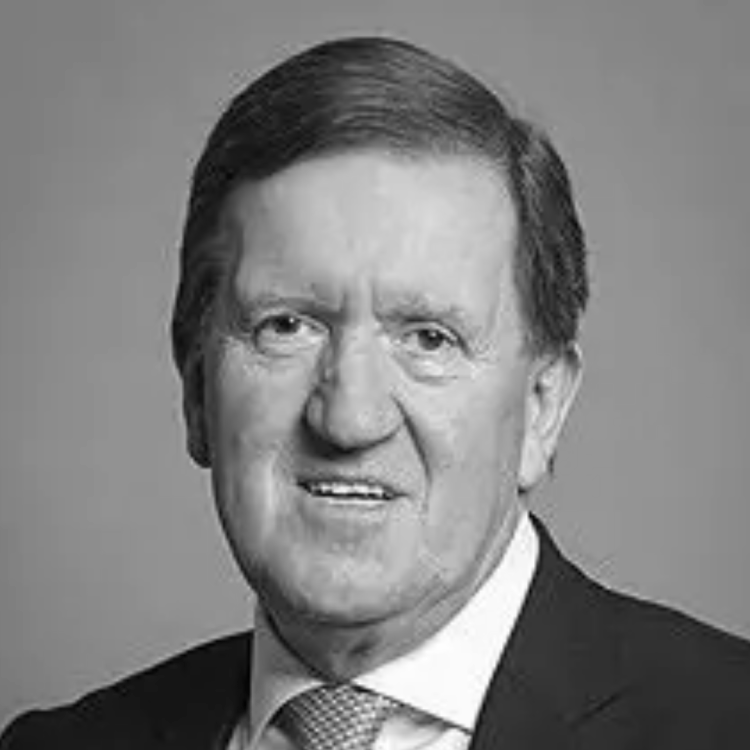 Lord George Robertson
Secretary General, NATO, 1999–2003
Lord George Robertson
Secretary General, NATO, 1999–2003
A discussion on the role of international law, accountability and legal institutions in restoring trust between states and strengthening the foundations of global cooperation.
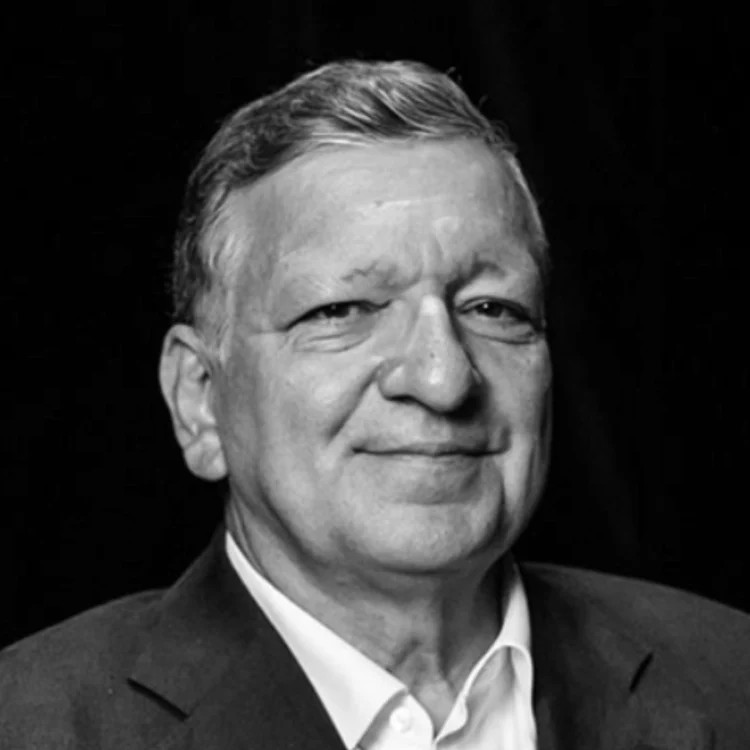 José Manuel Barroso
Former President, European Commission
José Manuel Barroso
Former President, European Commission
An expert conversation on Europe’s strategic role, institutional reform and the future of cooperation between regional and global powers.
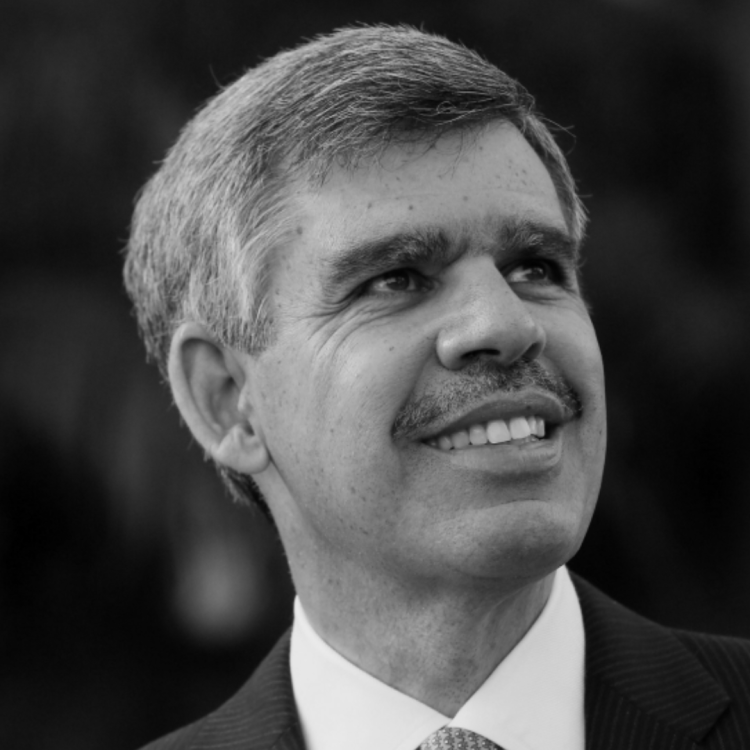 Mohamed El-Erian
Chief Economist, Allianz
Mohamed El-Erian
Chief Economist, Allianz
A session focused on inflation, financial uncertainty, investment confidence and the economic tools needed to support stability in an unpredictable world.
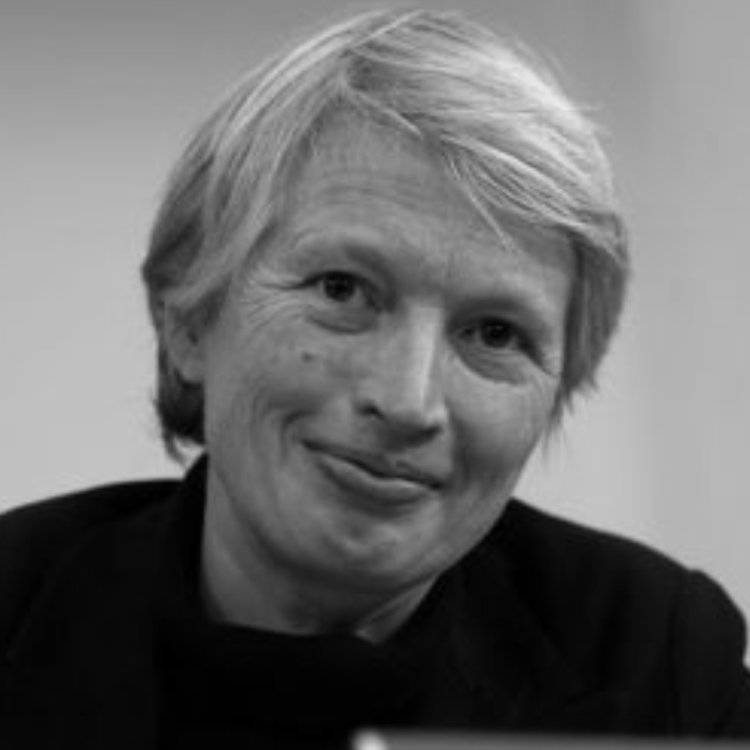 Fiona Harvey
Environment Editor, The Guardian
Fiona Harvey
Environment Editor, The Guardian
A discussion on climate change as a security, economic and diplomatic challenge, and on the need for stronger international coordination.
 Daisy McGregor
UK Policy Lead, Anthropic
Daisy McGregor
UK Policy Lead, Anthropic
A session exploring how governments, companies and international organizations can create responsible frameworks for artificial intelligence and emerging technologies.
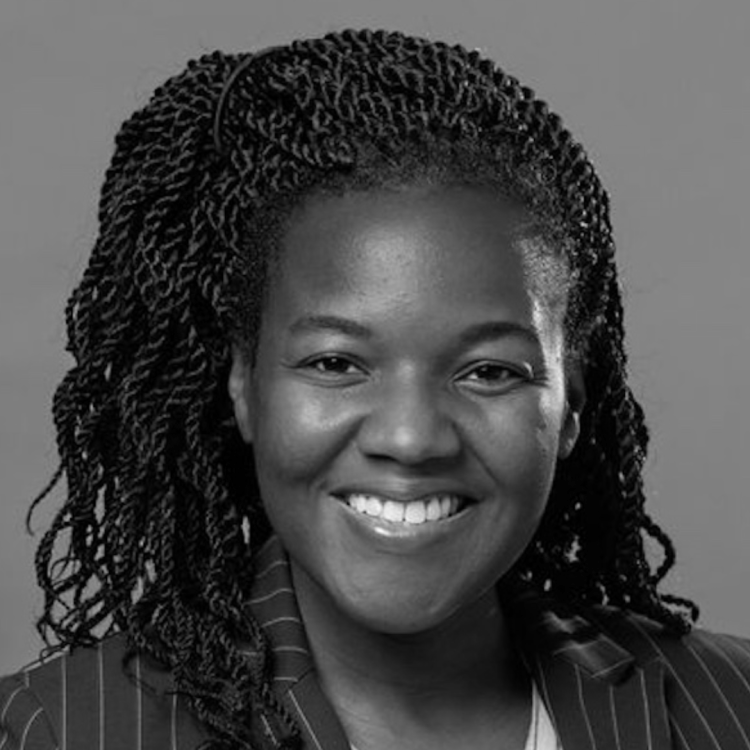 Nicole Isaac
Vice President, Global Public Policy, Cisco
Nicole Isaac
Vice President, Global Public Policy, Cisco
A discussion on digital infrastructure, cybersecurity, global connectivity and the role of technology companies in supporting resilient societies.
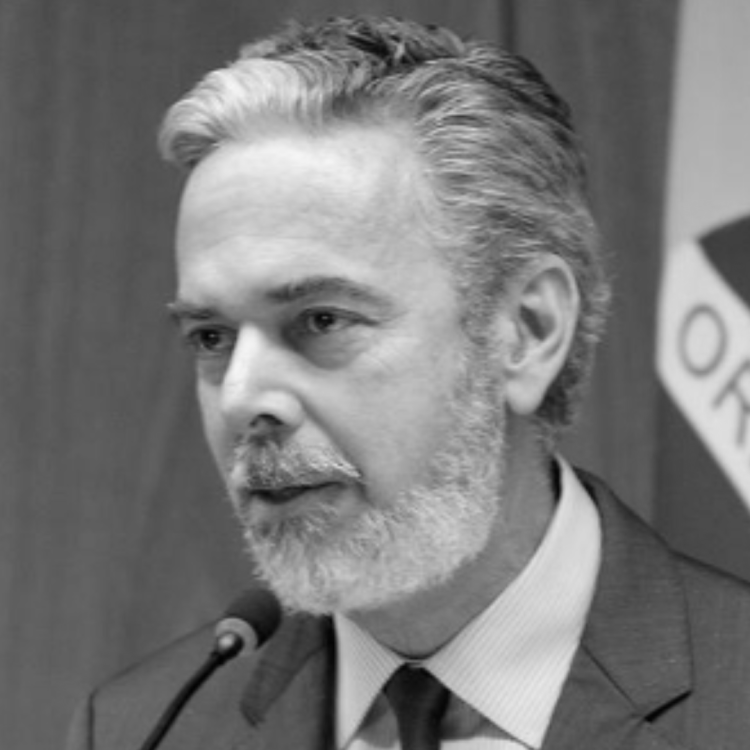 Antonio Patriota
Brazilian Ambassador to the United Kingdom
Antonio Patriota
Brazilian Ambassador to the United Kingdom
A session on how middle powers and countries from the Global South are shaping new approaches to diplomacy, development and multilateral cooperation.
Europe Editor, BBC
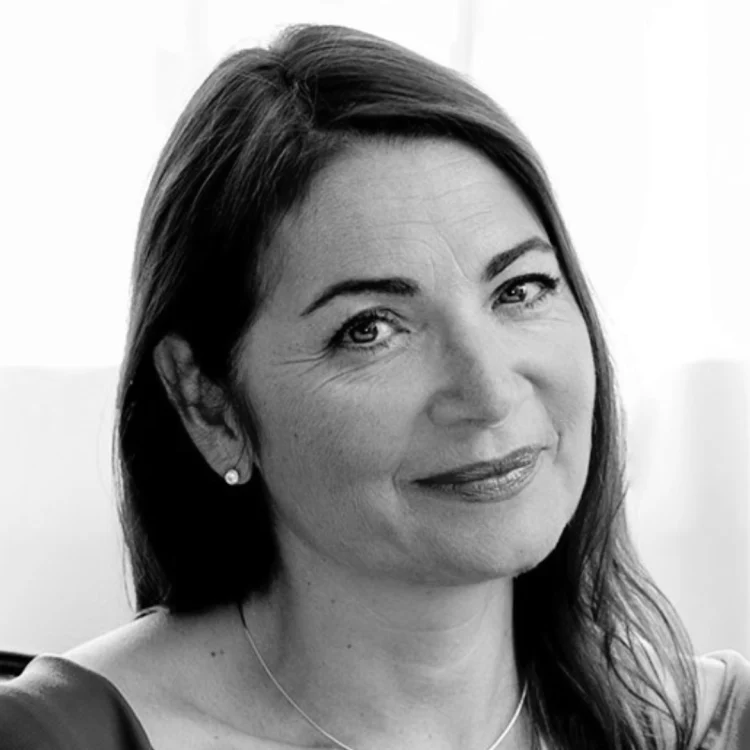
Advisor to the Prime Minister and Spokesperson for the Ministry of Foreign Affairs, Qatar
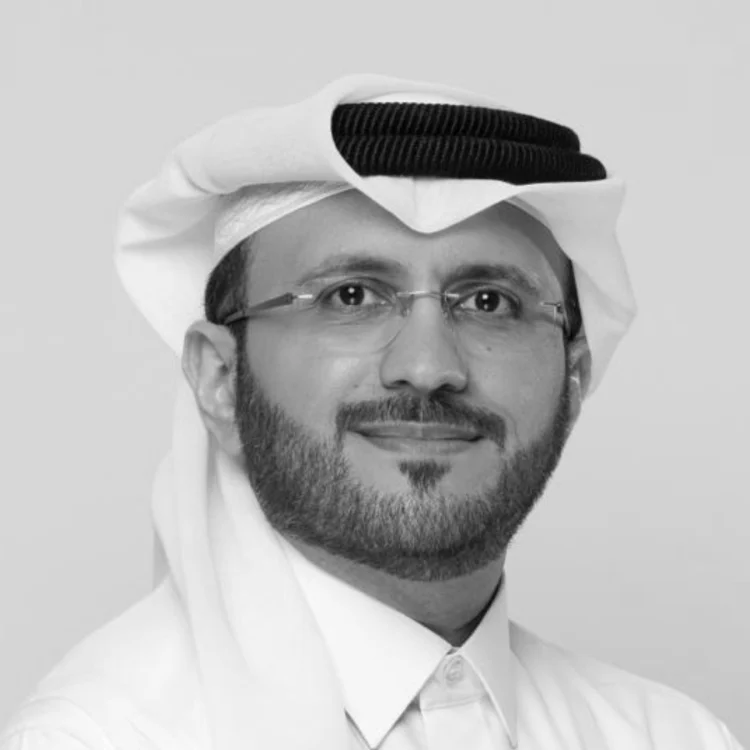
Former President, European Commission
Minister of Foreign Affairs, Oman
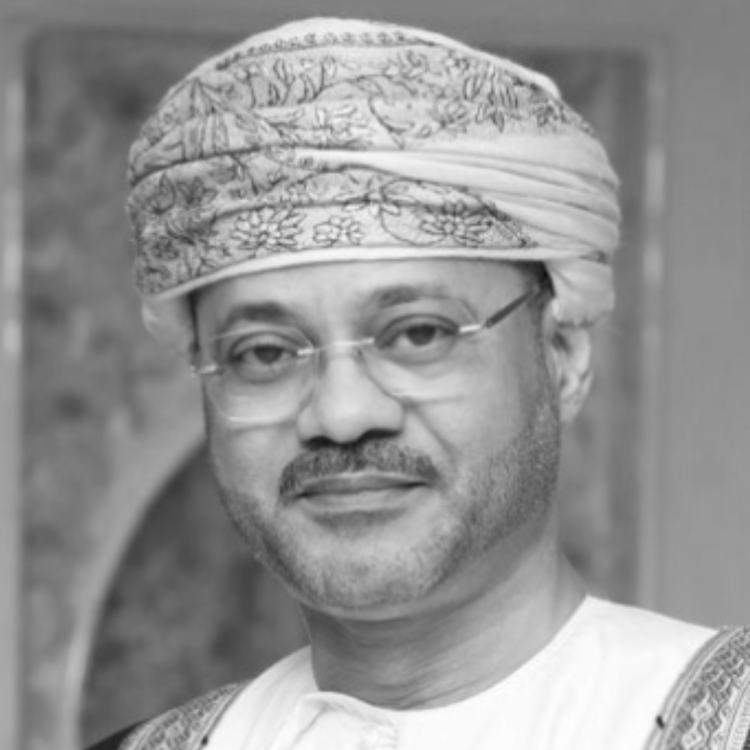
Chief Economist, Allianz
Environment Editor, The Guardian
Vice President, Global Public Policy, Cisco
Prime Minister of the United Kingdom, 2016–2019
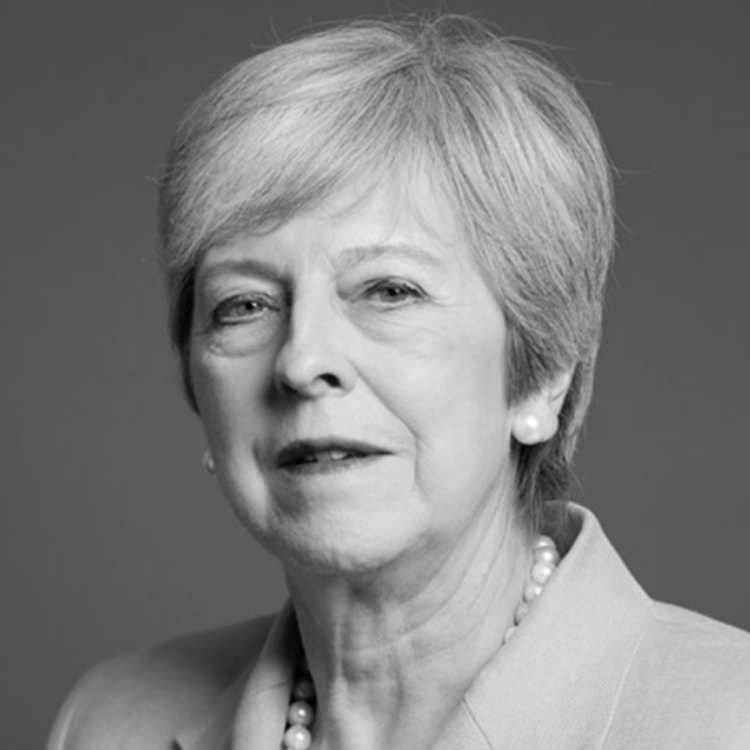
UK Policy Lead, Anthropic
Brazilian Ambassador to the United Kingdom
Secretary General, NATO, 1999–2003
9 July 2026 08:00–09:00
Arrival, check-in and informal networking for in-person attendees.
9 July 2026 09:00–09:15
Welcome from the London Conference team and introduction to the central theme.
9 July 2026 09:15–10:00
A route to order in an evolving world.
9 July 2026 10:00–11:15
Security, economics and the changing international order.
9 July 2026 11:15–11:45
9 July 2026 11:45–13:00
The future of international law, global institutions and multilateral cooperation.
9 July 2026 13:00–14:00
9 July 2026 14:00–15:15
Middle powers, the Global South and new forms of global leadership.
9 July 2026 15:15–15:45
9 July 2026 15:45–17:00
Climate, health, AI and other cross-border challenges.
9 July 2026 17:00–17:45
What path can lead to a more stable global order?
9 July 2026 17:45–18:00
Enter your details and invitation code to access the official London Conference 2026 materials.